Pinguicula primuliflora
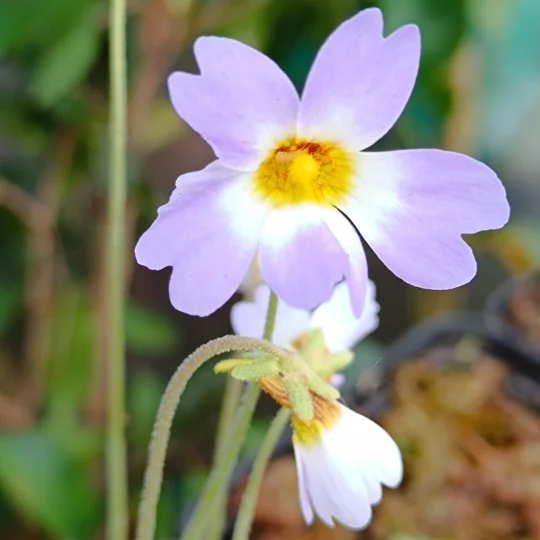
Pinguicula primuliflora is a stunning warm-temperate species is native to the southeastern coastal planes of United States.The name Pingulcula primuliflora derives from the fact it flowers very early in the spring. The flowers are solitary, long-stemmed violet-blue and featuring a distinct yellow throat that beautifully mimics a classic primrose. Pingulcula primuliflora forms handsome, flat basal rosettes of elongated, bright green leaves covered in a glistening layer of sticky, insect-trapping trichomes.
· A unique warm-temperate species native to wetlands that showcases beautiful primrose-like violet-blue flowers and reproduces via fascinating baby plantlets directly on its leaf tips.
Pinguicula primuliflora is a stunning warm-temperate species is native to the southeastern United States coastal plains, from southern Mississippi to extreme southwestern Georgia and the Florida Panhandle and in a disjunct population in the Fall Line Sandhills of westcentral Georgia.
The name Pingulcula primuliflora derives from the fact it flowers very early in the spring. The flowers are solitary, long-stemmed violet-blue and featuring a distinct yellow throat that beautifully mimics a classic primrose. Pinguicula primuliflora is self-fertile, but must be pollinated to be fertilized. There are 3 types of Pinguicula primuliflora I'm familiar with: typical, white flower form and Rose, which has a flore pleno mutated flower.
Pingulcula primuliflora forms handsome, flat basal rosettes of elongated, bright green leaves covered in a glistening layer of sticky, insect-trapping trichomes.
Pingulcula primuliflora has a peculiar ecology. It is a helophyte and grows in very wet habitats along streams, small ponds and drier habitats that are often flooded. In autumn it grows elongated leaves that sprout adorable miniature clones right on its leaf tips. In nature clumps of plants are dislodged during floods and carried downstream. Plantlets break off and help the species disperse.
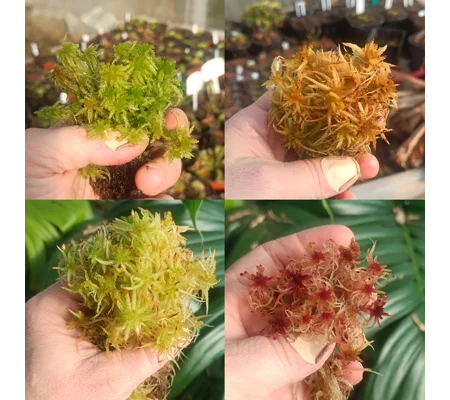
In cultivation Pingulcula primuliflora thrives in very wet, mossy environments. Apart from the fact you will probably want to get also some Sphagnum moss to grow this species, it is really easy to keep happy. All it needs is soaking wet moss and dappled light. Apparently it even survives light frosts.
· Fascinating Viviparous Growth: Effortlessly multiplies itself by forming completely new daughter plantlets where its active leaves touch the soil.
· Primrose-Inspired Blooms: Adorned with delicate, multi-lobed violet flowers that add a splash of wild orchard elegance to your collection.
· Wetland Gnat Patrol: Thrives in boggy conditions where its broad, sticky leaves serve as a highly efficient trap for small flying pests.
🐾 Grow Beautiful Plants, Save Precious Lives
Your purchase makes a real-world impact. Proceeds from this sale fund urgent veterinary care, food, and shelter for local stray animals in Slovenia.
📦 Quick Care Guide Light: Bright filtered light to partial shade; prefers slightly gentler sun exposure than Mexican varieties.
· Water: Keep permanently wet using pure water; thrives in shallow water trays (1–2 cm) year-round to mimic its natural marsh habitat.
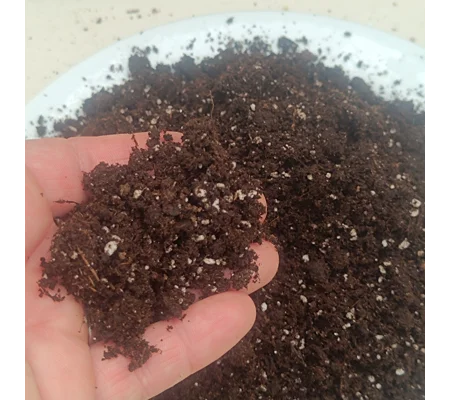
· Substrate: Thrives best in live Sphagnum moss or a highly moisture-retentive peat, sand, and perlite bog mix.
| Title | Pinguicula primuliflora |
|---|---|
| Category | Other Pinguicula |
| SKU | PinPri |
| Condition | new |
| Size | Small, Medium, Large |