
Filters
Availability
Terrestrial Utricularia

Terrestrial Utricularia
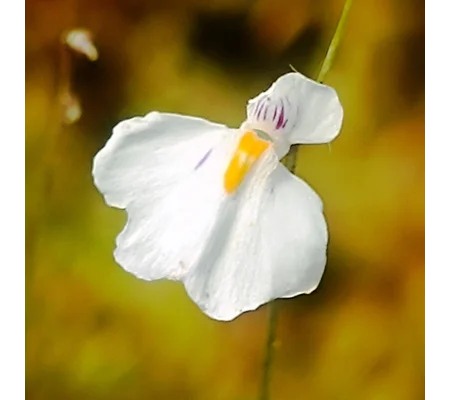
Utricularia laciniata Chapada dos Veiaderos, Goias, BrazilUtricularia laciniata is a small, carnivorous plant that belongs to the genus Utricularia. U. laciniata is endemic to Brazil, where it is only known from Goiás and Minas Gerais. It grows as a terrestrial plant in damp, sandy or gravelly soils at elevations from 1,000 m to 1,300 m.. It flowers between January and May in its native range. U. laciniata was originally described and published by Augustin Saint-Hilaire and Frédéric de Girard in 1838. You can find cultivation tips and more on our YouTube channel https://www.youtube.com/@RanchOfPlants
Terrestrial Utricularia
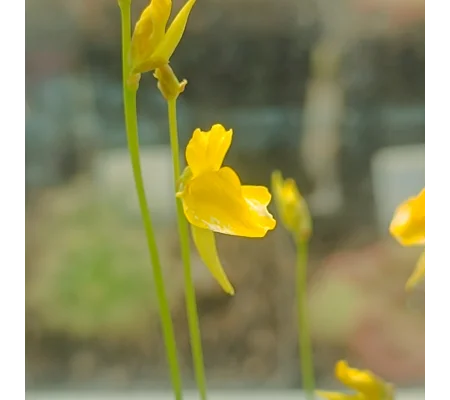
Utricularia laxaUtricularia laxa is a small to medium-sized annual carnivorous plant that belongs to the genus Utricularia. It is endemic to South America and is found in Argentina, Brazil, Paraguay and Uruguay. The Utricularia laxa grows as a terrestrial plant in wet grasslands and at the margins of pools, usually at elevations from near sea level to 1,100 m.. It was originally described and published by Augustin Saint-Hilaire and Frédéric de Girard in 1838. You can find cultivation tips and more on our YouTube channel https://www.youtube.com/@RanchOfPlants
Terrestrial Utricularia
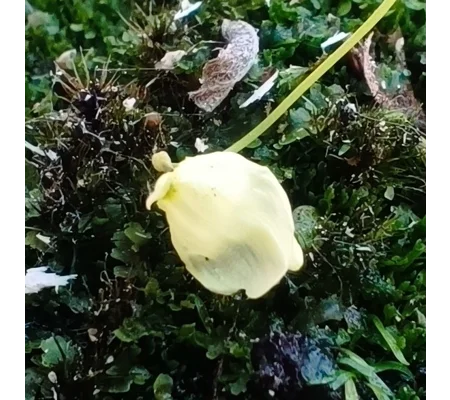
Utricularia livida Lemon flowerUtricularia livida Lemon flower is an unusual form of the species due to its pale yellow flowers. It blooms almost constantly. It can be easily grow as a houseplant on a windowsill or in a terrarium. The Latin specific epithet livida means "pale" or "lead-coloured", referring to the normal colour of the flowers. It was originally described and published by Ernst Heinrich Friedrich Meyer in 1837. It occurs in nature in Angola, the Democratic Republic of the Congo, Ethiopia, Kenya, Lesotho, Madagascar, Malawi, Mozambique, Rwanda, Somalia, South Africa, Sudan, Eswatini, Tanzania, Uganda, Zambia, and Zimbabwe. It also has a widespread native range in Mexico. It grows as a terrestrial plant in boggy areas or shallow soils over rock at altitudes from near sea level to 2,830 m. Utricularia livida Lemon flower is an easy species to grow, but slightly more picky than the Typical form. You can find cultivation tips and more on our YouTube channel https://www.youtube.com/@RanchOfPlants
Terrestrial Utricularia
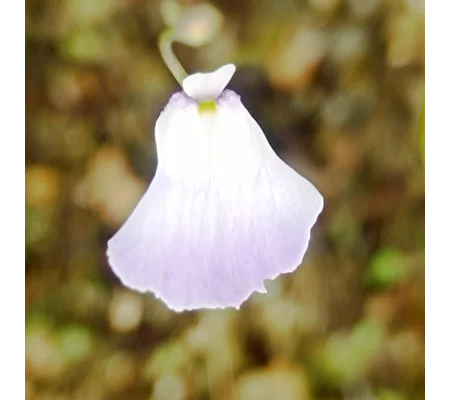
Utricularia livida MexicoUtricularia livida Mexico is very easy to grow and is valued for its pretty pale-violet flowers. It blooms almost constantly. It can be easily grow as a houseplant on a windowsill or in a terrarium. The Latin specific epithet livida means "pale" or "lead-coloured", referring to the colour of the flowers. It was originally described and published by Ernst Heinrich Friedrich Meyer in 1837. It occurs in nature in Angola, the Democratic Republic of the Congo, Ethiopia, Kenya, Lesotho, Madagascar, Malawi, Mozambique, Rwanda, Somalia, South Africa, Sudan, Eswatini, Tanzania, Uganda, Zambia, and Zimbabwe. It also has a widespread native range in Mexico. It grows as a terrestrial plant in boggy areas or shallow soils over rock at altitudes from near sea level to 2,830 m. Utricularia livida Mexico is an easily growing African form.You can find cultivation tips and more on our YouTube channel https://www.youtube.com/@RanchOfPlants
Terrestrial Utricularia
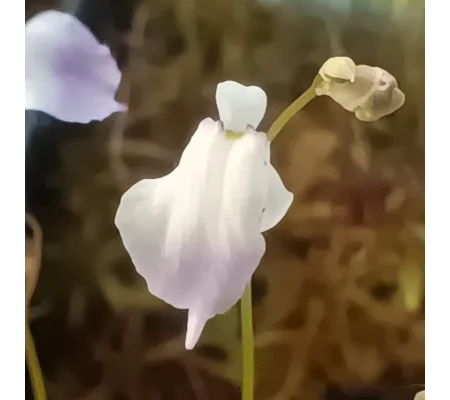
Utricularia livida TypicalUtricularia livida Typical is very easy to grow and is valued for its pretty pale-violet flowers. It blooms almost constantly. It can be easily grow as a houseplant on a windowsill or in a terrarium. The Latin specific epithet livida means "pale" or "lead-coloured", referring to the colour of the flowers. It was originally described and published by Ernst Heinrich Friedrich Meyer in 1837. It occurs in nature in Angola, the Democratic Republic of the Congo, Ethiopia, Kenya, Lesotho, Madagascar, Malawi, Mozambique, Rwanda, Somalia, South Africa, Sudan, Eswatini, Tanzania, Uganda, Zambia, and Zimbabwe. It also has a widespread native range in Mexico. It grows as a terrestrial plant in boggy areas or shallow soils over rock at altitudes from near sea level to 2,830 m. It also has a widespread native range in Mexico. Utricularia livida Typical is an easily growing African form.You can find cultivation tips and more on our YouTube channel https://www.youtube.com/@RanchOfPlants
Terrestrial Utricularia
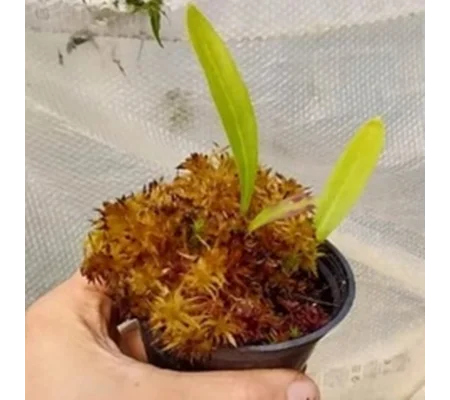
Utricularia longifoliaUtricularia longifolia is an easy to grow perennial bladderwort. It is one of the largest species of bladderwort.It is native and endemic to Brazil. It is a terrestrial or lithopythe species in nature.Grows best in peat moss. It can stand direct sunlight, but will grow well in lower light conditions as well.You can find cultivation tips and more on our YouTube channelhttps://www.youtube.com/@RanchOfPlants
Terrestrial Utricularia
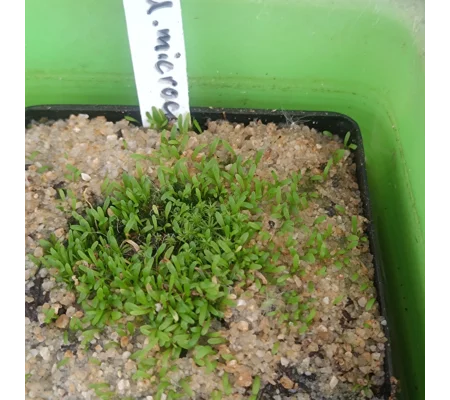
Utricularia microcalyxUtricularia microcalyx is a small to medium-sized carnivorous plant that belongs to the genus Utricularia. It is native to tropical Africa, where it can be found in the Democratic Republic of the Congo and Zambia. U. microcalyx grows as a terrestrial plant in damp, sandy or peaty soils in grasslands at altitudes from 1,200 m to 1,650 m. It typically flowers between February and July. It was originally described and published by Peter Taylor in 1964 as a variety of U. welwitschii. Taylor elevated this variety to the species level in 1971. You can find cultivation tips and more on our YouTube channel https://www.youtube.com/@RanchOfPlants
Terrestrial Utricularia
Utricularia nephrophylla Pink flowerUtricularia prehensilis is named for its twining or climbing flower stalks. It is native to tropical and southern Africa, from Angola, the Central African Republic, the Democratic Republic of the Congo, Ethiopia, Kenya, Madagascar, South Africa, Eswatini, Tanzania, Zambia, and Zimbabwe. Utricularia prehensilis is a terrestrial bladderwort. It was originally described by Ernst Heinrich Friedrich Meyer in 1837. You can find cultivation tips and more on our YouTube channel https://www.youtube.com/@RanchOfPlants
Terrestrial Utricularia
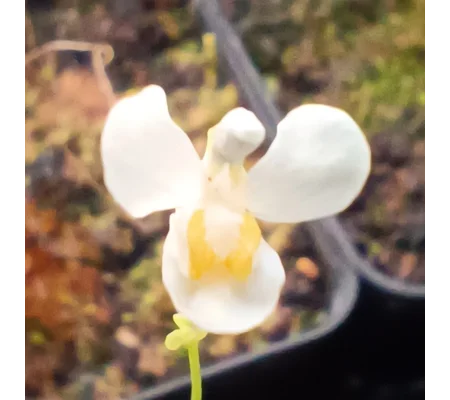
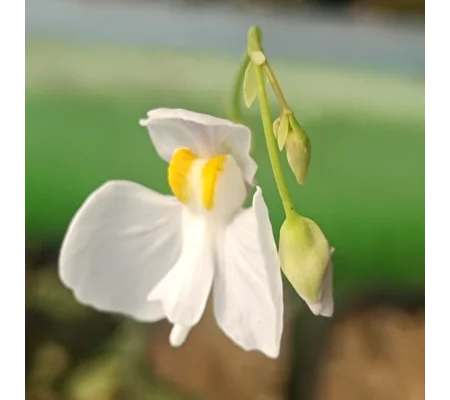
Utricularia nephrophylla White flowerUtricularia nephrophylla White flower is a small to medium-sized lithophyte. it is endemic to Brazil. Its habitat is reported as being wet, mostly vertical rocks in montane forests at altitudes from 600 m to 1,200 m. It was originally published and described by Ludwig Benjamin in 1847. You can find cultivation tips and more on our YouTube channel https://www.youtube.com/@RanchOfPlants
Terrestrial Utricularia
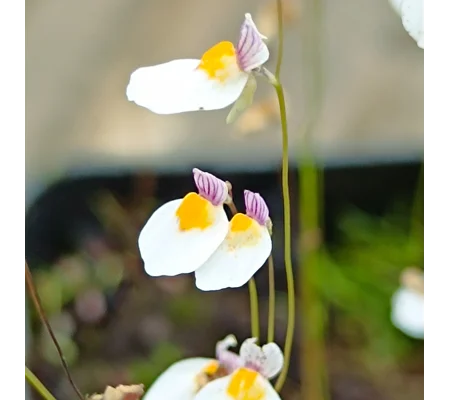
Utricularia nephrophylla x geminilobaUtricularia nephrophylla x geminiloba has very cute leaves shaped like hearts. It grows great in rainforest terrariums. Genes of Utricularia nephrophylla, give the leaves the potential to grow longer petioles if humidity is higher. It can also easily be grown in a pot on a windowsill. It doesn't need strong light. It does need to stand in water at all times. Utricularia nephrophylla x geminiloba is a hybrid of two terrestrial/litophyte species of Utricularia subg. Utricularia sect. Orchidioides endemic to Brazil.You can find cultivation tips and more on our YouTube channel https://www.youtube.com/@RanchOfPlants
Terrestrial Utricularia
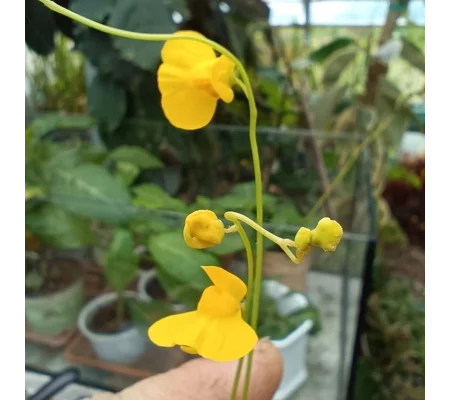
Utricularia parthenopipesUtricularia parthenopipes is a small easy-to-grow bladderwort with gorgeous flowers. It is endemic to the Brazilian state of Bahia. In nature it grows as a terrestrial plant in damp, sandy soils over sandstone rocks at altitudes from 500 m to 1,500 m and flowers between January and June. In cultivation, we see it flower between November and February. It was originally described and published by Peter Taylor in 1986. It is really easy to grow, to the point of being weedy. It's one of those that will squat in all your CPs given the opportunity.Price per 2 cm x 2 cm portion.You can find cultivation tips and more on our YouTube channel https://www.youtube.com/@RanchOfPlants
Terrestrial Utricularia
Utricularia praelongaUtricularia praelonga is a medium-sized to large perennial carnivorous plant that belongs to the genus Utricularia. U. praelonga is a terrestrial species endemic to South America, where it is found in northern Argentina, southern Brazil, and Paraguay.Utriculara praelonga has largish yellow flowers on very long stems. But it's oddest feature are the leaves. It grows two very distinct types of leaves at the same time. One set are small, obovate and the other tall and strap-like resembling grass.YouTube channel https://www.youtube.com/@RanchOfPlants